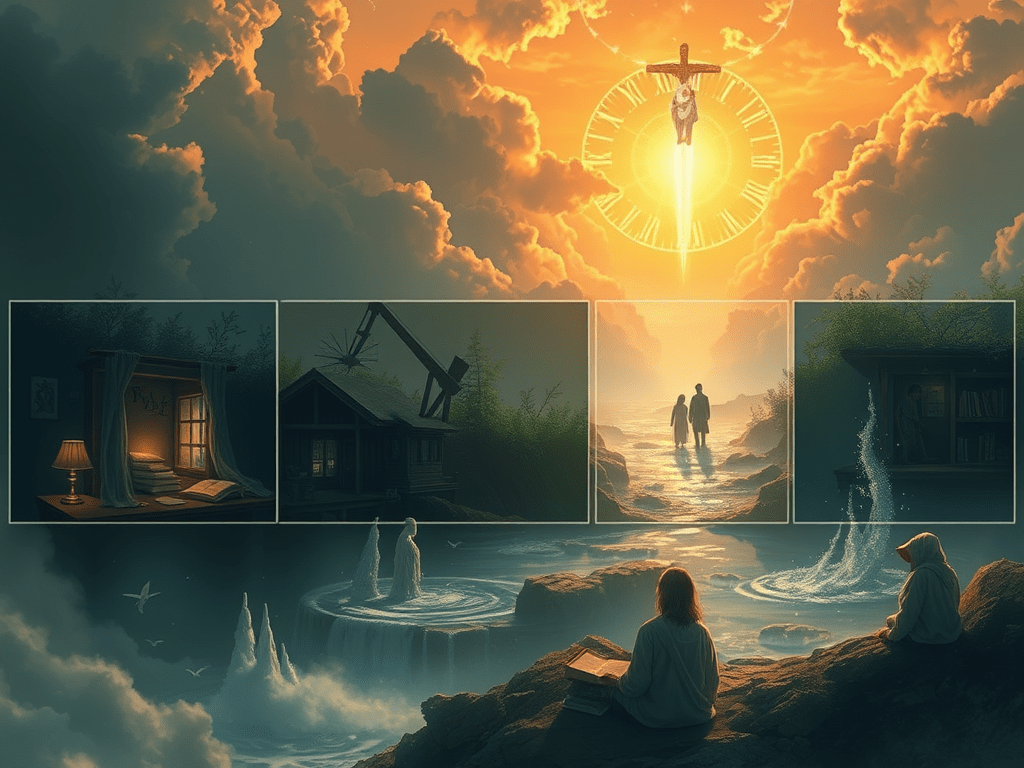
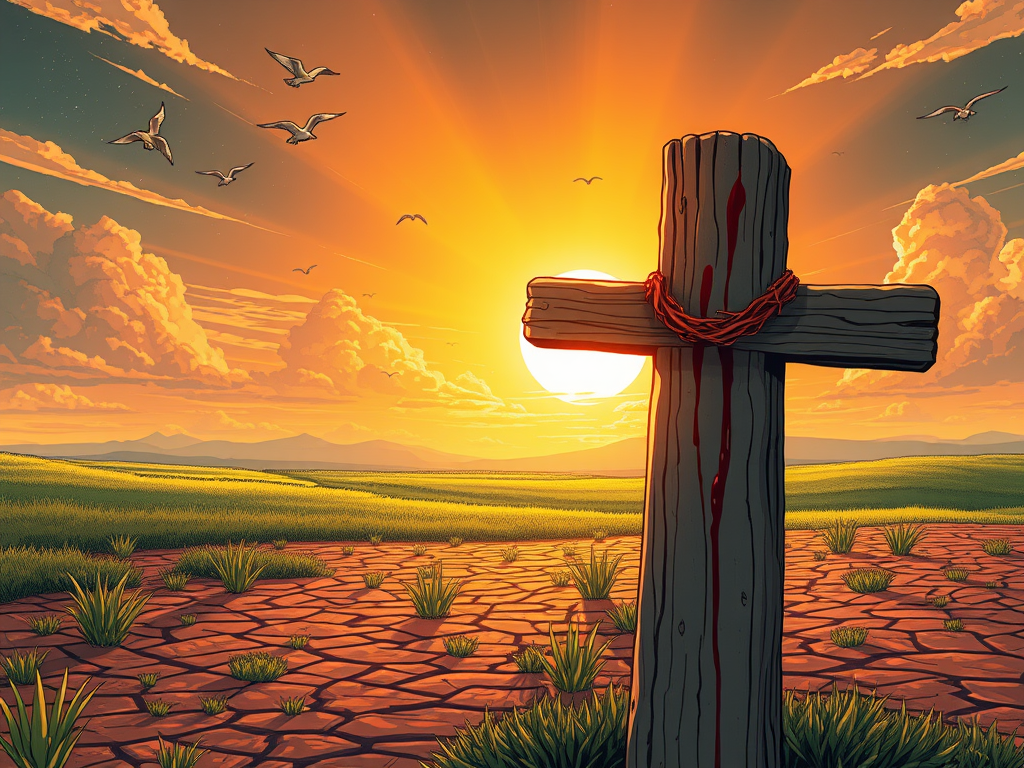
What Is Truly Required of Us?
I’ve come to realize that life is full of requirements. From the moment we are born, we are placed on a path of expectations—some spoken, some unspoken, but all pressing upon us with the weight of necessity.
As children, we are required to learn, grow, and develop skills to navigate the world. Schooling, whether formal or informal, shapes us into functioning members of society. Then comes work, the requirement to contribute, to earn, to provide.
If we don’t work, we don’t eat. If we don’t adapt, we don’t survive. This reality has been acknowledged throughout history, even by those who shaped the world. Benjamin Franklin once said:
“Dost thou love life? Then do not squander time, for that’s the stuff life is made of.”
Time, effort, and responsibility are the currency of life—without investing them wisely, we lose everything. On the other hand, Karl Marx, whose ideology reshaped nations, infamously noted:
“The worker becomes all the poorer the more wealth he produces.”
A chilling reminder that labor alone is not enough—without purpose, without direction, it can become an endless cycle of toil. We are required to work, but we are also required to find meaning in it.
From the lowest laborer to the greatest thinker, all of humanity has recognized that life demands something of us. There is no escape from its requirements, no way to bypass its expectations. The question is not whether we must work, learn, and struggle—but rather, for what purpose do we do these things?
Beyond Survival
But beyond survival, life also demands relationships. We form families, raise children, love others, and become part of something larger than ourselves. This, too, is a requirement—a fundamental expectation wired into the very fabric of human existence.
As John Donne famously wrote:
“No man is an island, entire of itself; every man is a piece of the continent, a part of the main.”
We are not meant to exist alone. From the moment we take our first breath, we are born into a network of relationships—parents, siblings, communities, nations. Whether we like it or not, our lives intertwine with others, shaping who we become.
Generations before me and generations after me will follow the same pattern: birth, learning, toil, relationships, struggle, and ultimately, death. This cycle is unbreakable, woven into the history of every civilization. As Shakespeare wrote in As You Like It, describing life as a series of roles we all must play:
“All the world’s a stage, and all the men and women merely players; they have their exits and their entrances, and one man in his time plays many parts.”
From the ancient tribes of the past to the modern cities of today, nothing has changed in the human experience. We love, we lose, we fight, we reconcile—and through it all, we seek connection, meaning, and belonging. These are the natural requirements of life, the things every person must face regardless of where or when they are born. The pattern remains, unchanged through time.
Seeking Pleasure
Even pleasure is a requirement in its own way. Every person seeks joy, rest, and fulfillment. Whether it’s through leisure, entertainment, love, or spiritual peace, we are drawn to pursue something greater than mere survival. We may toil, we may labor, but if there is no joy, no respite, then life becomes a meaningless grind.
As Victor Hugo put it:
“The supreme happiness of life is the conviction that we are loved—loved for ourselves, or rather, loved in spite of ourselves.”
Love, in all its forms, is part of the human condition. The desire to be valued, known, and appreciated is not optional—it is woven into our souls. Even those who renounce love, who claim to need no one, still seek fulfillment in their own way—through art, through solitude, through power, through self-expression.
This is not new. Ancient civilizations, kings and peasants alike, all sought happiness, purpose, and meaning. The Romans built grand arenas for entertainment, the Greeks pursued philosophy to understand the good life, and the Egyptians built tombs to ensure joy beyond death. The cycle has never changed.
As Blaise Pascal once observed:
“All men seek happiness. This is without exception. Whatever different means they employ, they all tend to this end.”
The tools may evolve—what once was a festival in the streets is now a concert in a stadium, what once was storytelling around a fire is now cinema and streaming—but the human condition remains the same. We hunger for joy, for purpose, for meaning.
And yet, the weight of requirements has always been there, pressing down on humanity, shaping our daily lives. Even in our pursuit of happiness, we are bound by the demands of existence. Pleasure is sought, but responsibilities remain.
Life is Required
Yet among all these earthly requirements, there is one greater than them all—a requirement many ignore or put off until it is too late. The requirement of life itself. The one thing that none of us own, but all of us must one day give back. Jesus spoke of this in a parable that shakes me to my core every time I read it:
“You fool! … your soul is required of you …
— Luke 12:20
This parable, often called the Parable of the Rich Fool, tells of a man who had a great harvest. Instead of using it for the good of others, he decided to store it all up for himself. He thought, “Now I can relax, eat, drink, and enjoy life,” believing he had secured his future. But that very night, his life was required of him. He had stored up treasure for himself but was not rich toward God.
It’s easy to dismiss this parable and think, “Well, I’m not rich. I don’t have barns full of wealth. I barely get by.” But that’s not the point. Every single person, whether rich or poor, has a life to return to God. Every day is like a wage paid out to us—a gift of breath, time, and opportunity. Whether we store up wealth or live in poverty, we are required to present our life back to the One who gave it.
This reality humbles me. I realize that every single moment, whether spent in work, joy, suffering, or rest, is a daily handing in of my life. Each day, I bring it before my Creator and say,
“Here is what I did with the life You allowed me to have today.”
Some days, that offering is small—nothing more than the routine acts of survival, the struggle to stay afloat. Other days, I look back and feel as though I have wasted what was given, letting opportunities slip through my fingers. But regardless of my perception, the truth remains:
“For none of us lives for himself, and none dies for himself. For if we live, we live for the Lord, and if we die, we die for the Lord; therefore, whether we live or die, we are the Lord’s.”
— Romans 14:7-8
My life does not belong to me. I did not create it, and I cannot hold onto it forever. Like the Parable of the Talents (Matthew 25:14-30), I have been entrusted with time, resources, and relationships, and one day, I will stand before the Master to give an account.
“So then each one of us will give an account of himself to God.”
— Romans 14:12
There is no escaping this reality. I will hand my life over one day, whether I am ready or not. My breath, my strength, my very existence—it is on loan, and when my time comes, I will have to return it.
“You do not know what your life will be like tomorrow. You are just a vapor that appears for a little while and then vanishes away.”
— James 4:14
That thought shakes me, but it also grounds me. It reminds me to live with purpose, humility, and gratitude, knowing that every moment I am given is not my own—but a gift from the One who gave me life in the first place.
What Is Required of Me?
So what does God truly require? If it’s not wealth, if it’s not earthly success, if it’s not a perfect record of good deeds, then what does He want?
The answer is given plainly in Micah 6:8:
“He has told you, O man, what is good; And what does the Lord require of you, But to do justice, to love kindness, And to walk humbly with your God?”
This verse removes all pretense. It’s not about impressing God. It’s not about following a rigid checklist of religious perfection. It’s about living rightly—treating others with justice, showing kindness, and walking humbly before God. It’s about recognizing that every single action, even the smallest ones, are seen by the Creator. As Ecclesiastes 12:13-14 reminds us:
“The conclusion, when everything has been heard, is: fear God and keep His commandments, because this applies to every person. For God will bring every act to judgment, everything which is hidden, whether it is good or evil.”
No moment goes unnoticed. No action is too small. Even when I feel insignificant or my efforts seem wasted, the reality remains—God sees. He requires my life, but not as a burden. He requires it as a gift to be lived in righteousness, kindness, and humility.
Unshaken Truth
For as long as humanity has existed, we have believed in something greater than ourselves. From the dawn of civilization, mankind has known that we are not alone. Every culture, every people group, every history records a belief in the divine. Why? Because it is built into us. It is impossible to separate humanity from the knowledge of a Creator.
Some argue that belief in God, angels, and the spiritual world is something we invented. That it’s a construct of the mind, an illusion to bring comfort. But I find that laughable. It is not something that could be fabricated, because it is woven into our very being. We did not create the idea of God—we discovered it. It is the most ancient, most unshakable reality in human history.
Scripture affirms this universal truth:
- Romans 1:20 – “For since the creation of the world His invisible attributes, that is, His eternal power and divine nature, have been clearly perceived, being understood by what has been made, so that they are without excuse.”
- Psalm 19:1 – “The heavens declare the glory of God, and the sky above proclaims His handiwork.”
- Job 33:4 – “The Spirit of God has made me, and the breath of the Almighty gives me life.”
We were made. We are creations, not accidents. And part of being a creation means knowing that our Creator is watching over us.
The Answer in Yeshua the Nazarene
But here’s where I struggle. I know the requirements of life. I know I will have to return it one day. But I also know that I am not perfect. I fail constantly. I do not always live with justice, kindness, or humility. I stumble, I sin, I fall short.
But the Creator never required me to live a perfect life—because He came and lived it for me. If perfection was required, I would have no hope, for I fail daily. But God Himself took on flesh and walked among us, fulfilling the righteousness that I could never achieve.
“For what the Law could not do, weak as it was through the flesh, God did: sending His own Son in the likeness of sinful flesh and as an offering for sin, He condemned sin in the flesh.”
— Romans 8:3
This is why I put my trust in Yeshua the Nazarene, the Divine Incarnation, the One who fulfilled all righteousness on my behalf. He did not come just to teach or to heal, but to do what I could never do—live a life without sin, so that I could be reconciled to God.
“Do not think that I came to abolish the Law or the Prophets; I did not come to abolish, but to fulfill.”
— Matthew 5:17
He fulfilled every requirement, satisfied every law, and bore the weight of my failures so that I would not have to stand before God with my sins unpaid. Instead, I stand before God covered in His righteousness, not my own.
“God made Him who knew no sin to be sin on our behalf, so that we might become the righteousness of God in Him.”
— 2 Corinthians 5:21
This is why I trust Him—not just as a historical figure, not just as a great teacher, but as my Savior, my righteousness, my only hope. He did what I could never do:
“For Christ also suffered for sins once for all time, the just for the unjust, so that He might bring us to God.”
— 1 Peter 3:18
Through Him, I am made clean. Through Him, I am made whole. Through Him, I am free from the weight of my own imperfections, knowing that what God requires has already been fulfilled in Christ.
He did not come just to teach. He did not come just to perform miracles. He came to save. He took on the very requirements of life itself and fulfilled them perfectly, so that when I stand before God, my failures are covered by His perfection.
“For God so loved the world, that He gave His only Son, so that everyone who believes in Him will not perish, but have eternal life.”
— John 3:16
This is what I hold onto. This is my trust. Not in my own righteousness, but in His righteousness given to me. When my life is finally required of me, I will stand before my Creator—not in fear, but in faith, knowing that I am covered by the love and sacrifice of Yeshua.
That is what He offers to everyone. A life that does not end. A requirement that has already been met. And an eternal home that is already prepared.
Source Appendix
Scriptural References
Luke 12:20
“You fool! … your soul is required of you …”
Romans 14:7-8
“For none of us lives for himself, and none dies for himself. For if we live, we live for the Lord, and if we die, we die for the Lord; therefore, whether we live or die, we are the Lord’s.”
Romans 14:12
“So then each one of us will give an account of himself to God.”
James 4:14
“You do not know what your life will be like tomorrow. You are just a vapor that appears for a little while and then vanishes away.”
Micah 6:8
“He has told you, O man, what is good; And what does the Lord require of you, But to do justice, to love kindness, And to walk humbly with your God?”
Ecclesiastes 12:13-14
“The conclusion, when everything has been heard, is: fear God and keep His commandments, because this applies to every person. For God will bring every act to judgment, everything which is hidden, whether it is good or evil.”
Romans 1:20
“For since the creation of the world His invisible attributes, that is, His eternal power and divine nature, have been clearly perceived, being understood by what has been made, so that they are without excuse.”
Psalm 19:1
“The heavens declare the glory of God, and the sky above proclaims His handiwork.”
Job 33:4
“The Spirit of God has made me, and the breath of the Almighty gives me life.”
Romans 8:3
“For what the Law could not do, weak as it was through the flesh, God did: sending His own Son in the likeness of sinful flesh and as an offering for sin, He condemned sin in the flesh.”
Matthew 5:17
“Do not think that I came to abolish the Law or the Prophets; I did not come to abolish, but to fulfill.”
2 Corinthians 5:21
“God made Him who knew no sin to be sin on our behalf, so that we might become the righteousness of God in Him.”
1 Peter 3:18
“For Christ also suffered for sins once for all time, the just for the unjust, so that He might bring us to God.”
John 3:16
“For God so loved the world, that He gave His only Son, so that everyone who believes in Him will not perish, but have eternal life.”



Leave a comment